

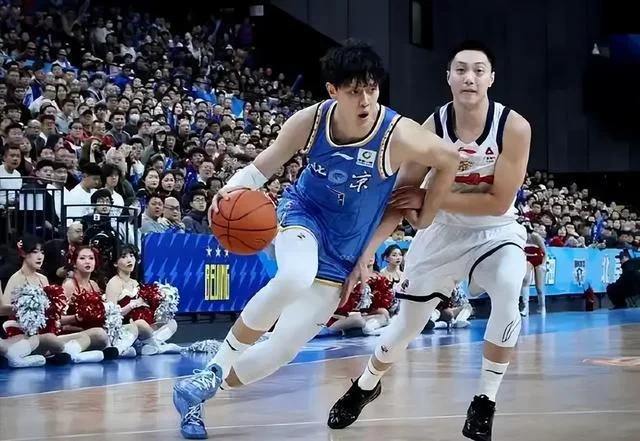
The CBA playoffs quarterfinal clash between Beijing and Guangdong remains hard to believe even now. Before the game, most expected Guangdong to advance—after all, they are an 11-time champion that had never lost in the quarterfinals in 31 years. But Beijing dominated from start to finish, winning 88–73 in a decisive blowout.
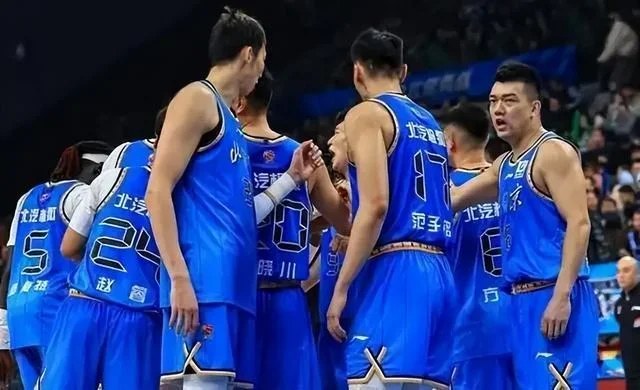
Guangdong started strong in the first quarter, with Hu Mingxuan hitting two quick three-pointers off the bench to push the lead to six points. But Beijing head coach Xie Libin made a tactical adjustment in the second quarter, double-teaming all of Guangdong’s perimeter shooters. The strategy froze Guangdong’s offense cold. They managed just 14 points in the quarter while Beijing scored 25, taking an eight-point lead into halftime.
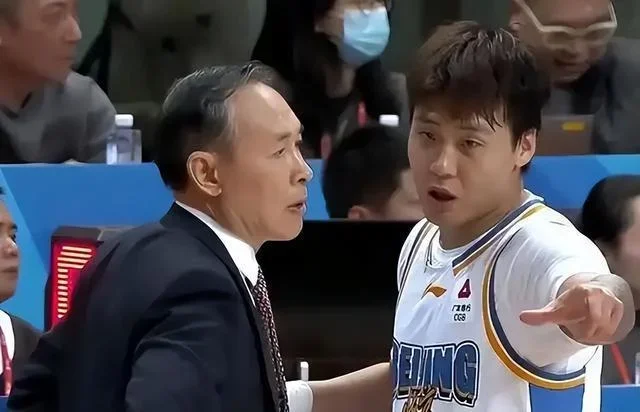
The game also highlighted CBA on-court rules and etiquette. Coaches can only communicate with referees during dead-ball situations and must avoid physical gestures or heated remarks to prevent technical fouls. Though Du Feng avoided a technical, he spent time arguing with officials, which cost him opportunities to adjust his lineup. Xie Libin, meanwhile, used that time to execute his game plan effectively.
In the second half, Zhou Qi dominated the paint, creating a virtual no-fly zone for Beijing. Their rebounding and assists overwhelmed Guangdong. Foreign guard Jamal scored a triple-double in 31 minutes, showcasing incredible efficiency. Conversely, Guangdong’s Xu Jie finished with zero points and Zhao Rui managed only two. The offense relied entirely on Hu Mingxuan and Quinn, while turnovers and fouls piled up.
Guangdong’s problems ran deeper—poor execution and clear panic. When players were substituted, they were expected to acknowledge the coach with a nod, regardless of performance. Zhao Rui’s visible frustration as he left the court revealed his mental collapse.
In the fourth quarter with single-foreign-player rules, Guangdong tried full-court pressure, but Beijing’s precise movement and center high-post passing easily broke it, reflecting their tactical discipline. Beijing also maximized the seven-foreign-player rotations across four quarters, timing their imports perfectly.
This season, Beijing’s chemistry has been noticeably better. After finishing mid-table in the regular season, they surged into the quarterfinals and now into the semifinals. According to the latest CBA ranking rules, ties are broken by head-to-head record, then points differential, then scoring ratio. This victory vaulted Beijing into the top four, altering subsequent matchups.
The era of relying on a single star to win playoff games is fading. Beijing’s bench outscored Guangdong’s by nearly double, proving that depth now determines success. Xie Libin, a former player turned coach, exemplified this shift. His tactical adjustments showcased his understanding of the game. Du Feng, also a former player, was slower to react and failed to counter Beijing’s double-teams.
The game also reflects a changing CBA landscape. The old dominance of teams like Guangdong and Liaoning is being challenged by younger squads. Single-game elimination can seem random, but it rewards teams that bring their best in the moment. Beijing’s home-court advantage, earned through regular-season performance, played a key role.
Guangdong fans were devastated. Seeing their team eliminated in the quarterfinals for the first time in 31 years is a bitter pill. But professional sports have no permanent winners—those who fail to adapt are left behind. This defeat might force Guangdong to honestly assess their weaknesses and rebuild.
For Beijing, the victory sparked celebration. Xie Libin humbly credited the entire team. Zhou Qi’s interior dominance and Jamal’s triple-double highlighted the imports’ value, but the true key was Beijing’s team basketball—every player contributed. Their bench production was nearly double that of Guangdong, a testament to their depth.
This upset goes beyond the scoreboard. It reveals the rules, ranking logic, and real-world challenges of player transitions in the CBA. As the playoffs continue, we hope Guangdong can regroup, and we look forward to more young teams like Beijing emerging to keep the league competitive.
